Taipei Travel Guide: From Taipei 101 to Hidden Temples – Why Visit Taiwan’s Capital
Taipei, the vibrant capital of Taiwan, is a city where ancient traditions meet cutting-edge modernity. Nestled in a basin surrounded by lush green mountains, Taipei blends spiritual calm with urban energy – from centuries-old temples filled with incense to glittering skyscrapers and bustling night markets.
Taipei is a city of contrasts: a place where you can sip tea on a misty hillside in the morning, explore art galleries in the afternoon, and dine on Michelin-rated street food at night.
Taipei’s charm lies not only in its landmarks but also in its everyday rhythm – friendly locals, efficient public transport, and a lifestyle that feels both cosmopolitan and deeply rooted in tradition. The MRT system connects nearly every major attraction, making it easy to explore neighborhoods like Ximending (the youth and shopping hub), Dihua Street (heritage architecture and tea shops), and Beitou (hot springs and tranquil nature).

The city’s food culture is legendary: steaming bowls of beef noodle soup, crispy scallion pancakes, and the sweet aroma of bubble tea, which was invented right here in Taiwan. Every night, markets like Shilin, Raohe, and Ningxia come alive with color and flavor, offering a true taste of local life.
Taipei’s people are known for their warmth and politeness – it’s one of the safest cities in Asia, and visitors often remark on how easy it feels to travel here. Whether you’re drawn by history, street food, design, or mountain views, Taipei welcomes you with open arms and endless discoveries.
I visited the city in the end of October when it rained the whole week, but it was still an amazing experience. Here is a list of attractions in Taipei that I visited and recommend:
🏙️Taipei 101
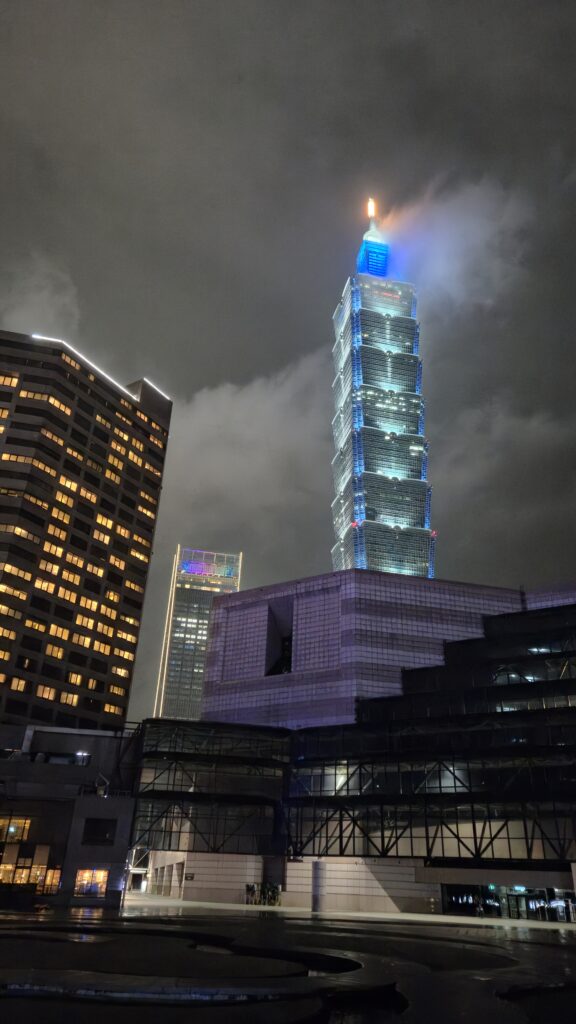
Once the tallest building in the world, Taipei 101 remains the city’s most recognizable landmark — a bamboo-shaped skyscraper that rises above the skyline with striking green-blue glass and elegant symmetry. Completed in 2004, it symbolizes both Taiwan’s modernity and its deep cultural roots.

The observation deck on the 89th floor offers breathtaking 360° views of Taipei, best enjoyed at sunset when the city glows in gold. Don’t miss the massive golden wind damper, a 660-ton sphere that stabilizes the tower during typhoons and earthquakes — it’s an engineering marvel on display.
At the base, the Taipei 101 Mall features luxury boutiques and an outstanding food court with international and local Taiwanese dishes. For photography, the Elephant Mountain trail (Xiangshan) nearby offers the most iconic view of Taipei 101 framed by the city below.
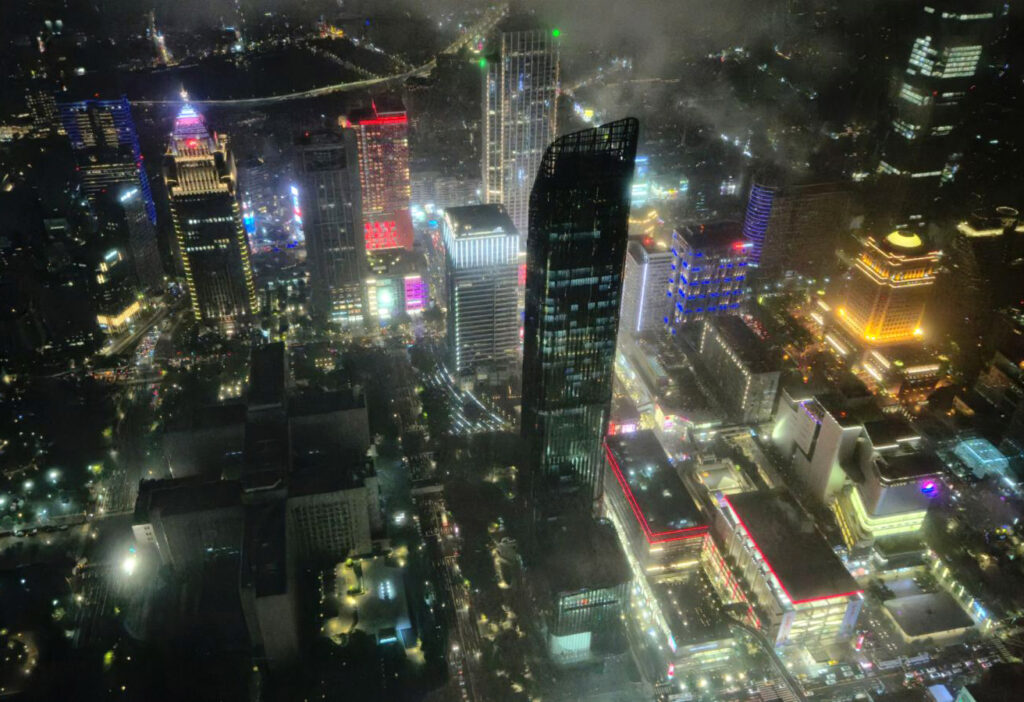
Tip: Go just before dusk to capture both daylight and night shots of the skyline from the observation deck.
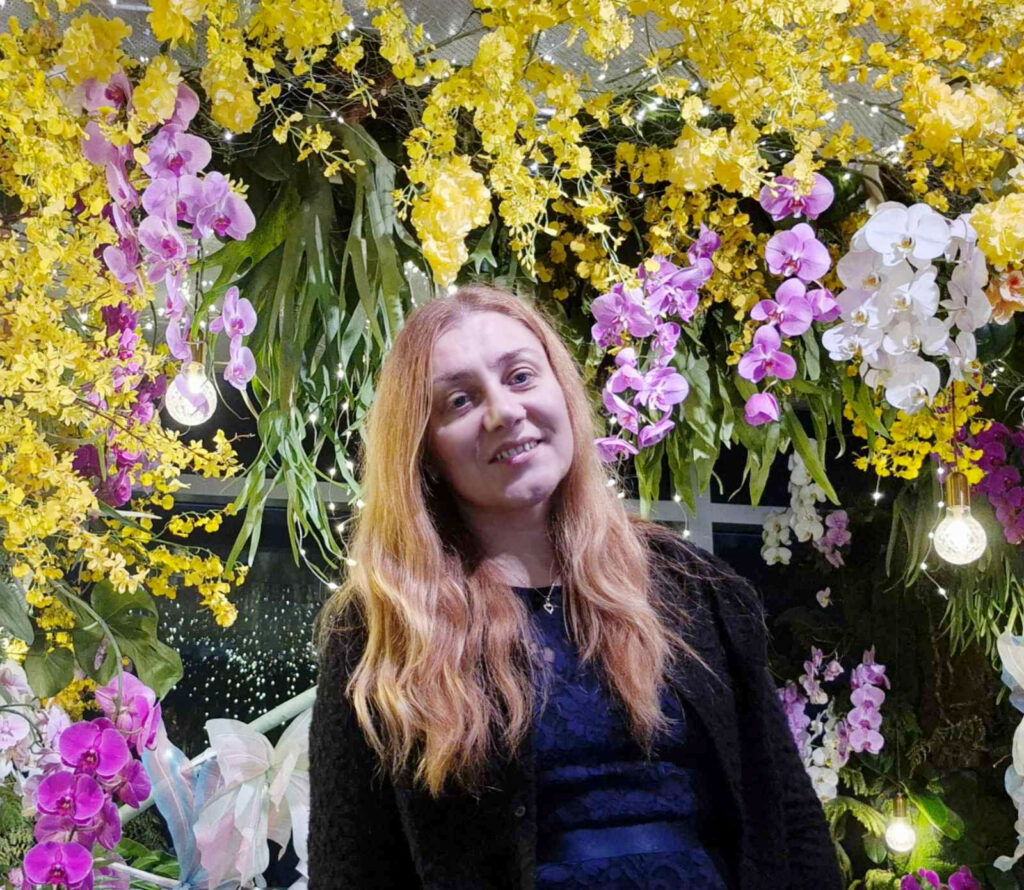
🐼 Taipei Zoo
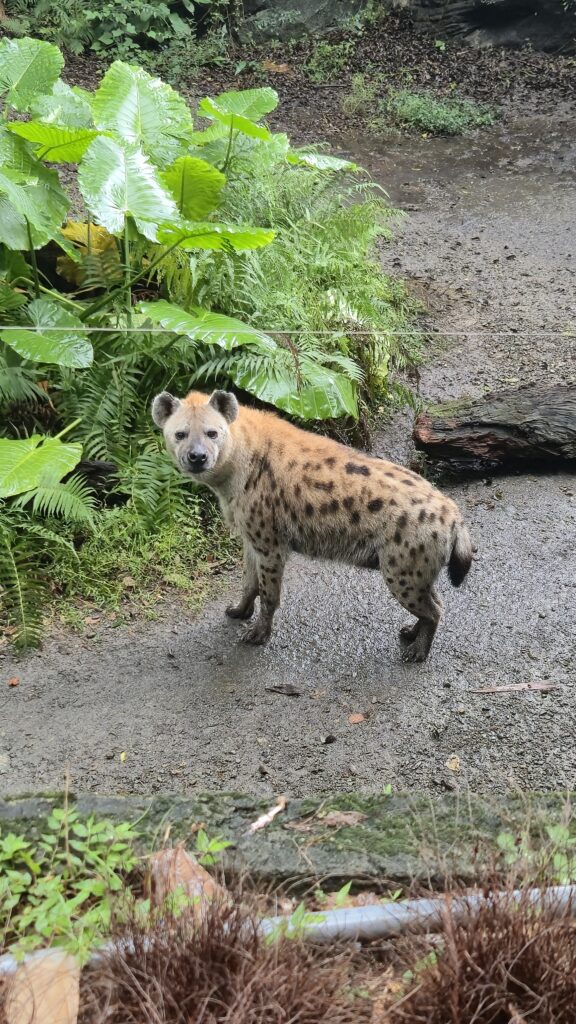
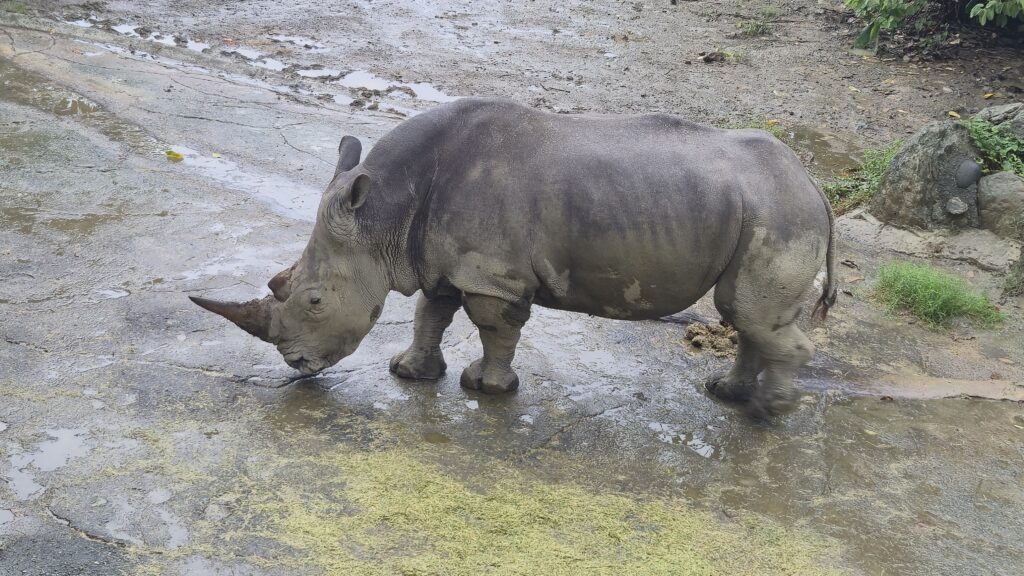
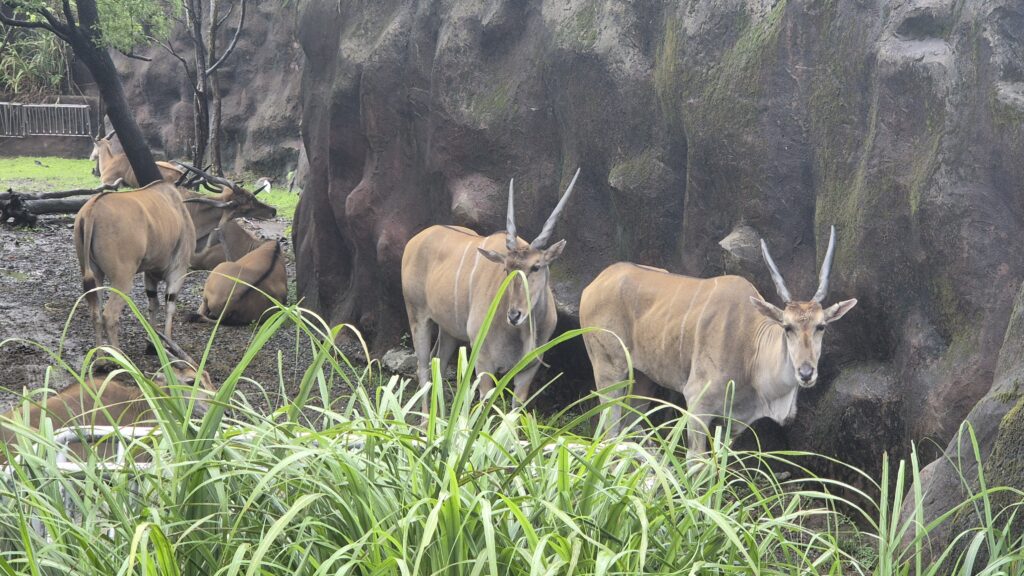
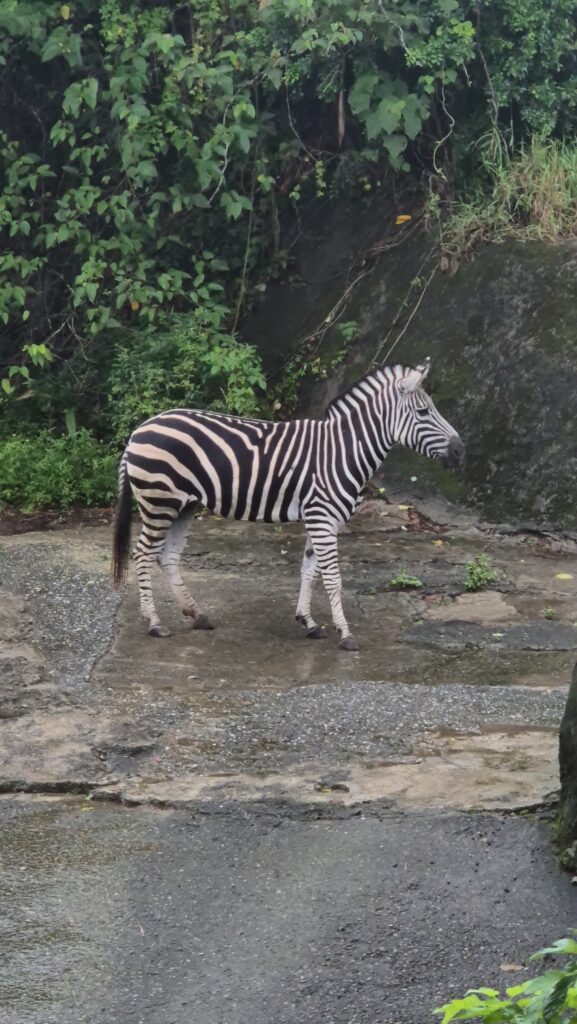
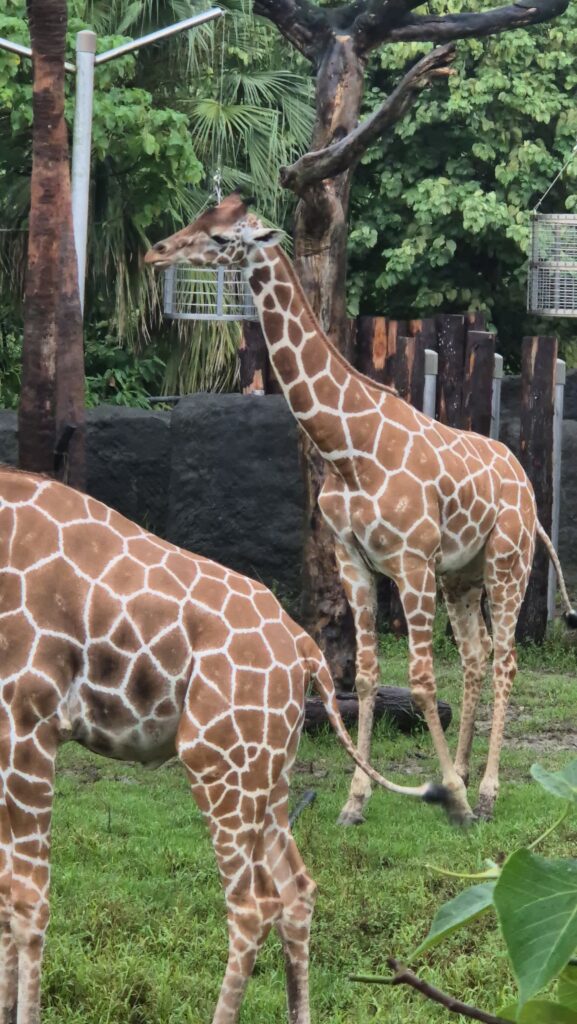
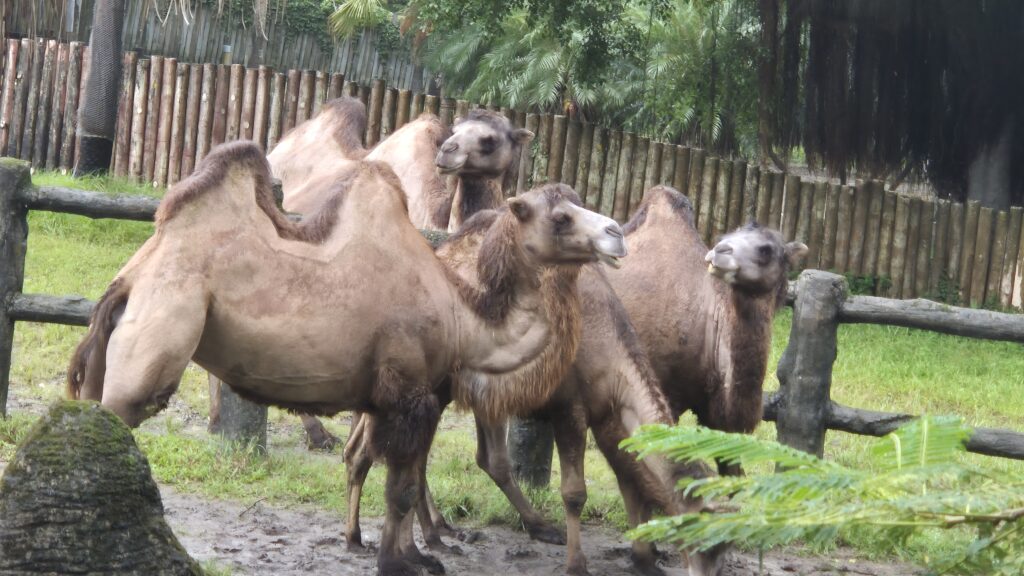
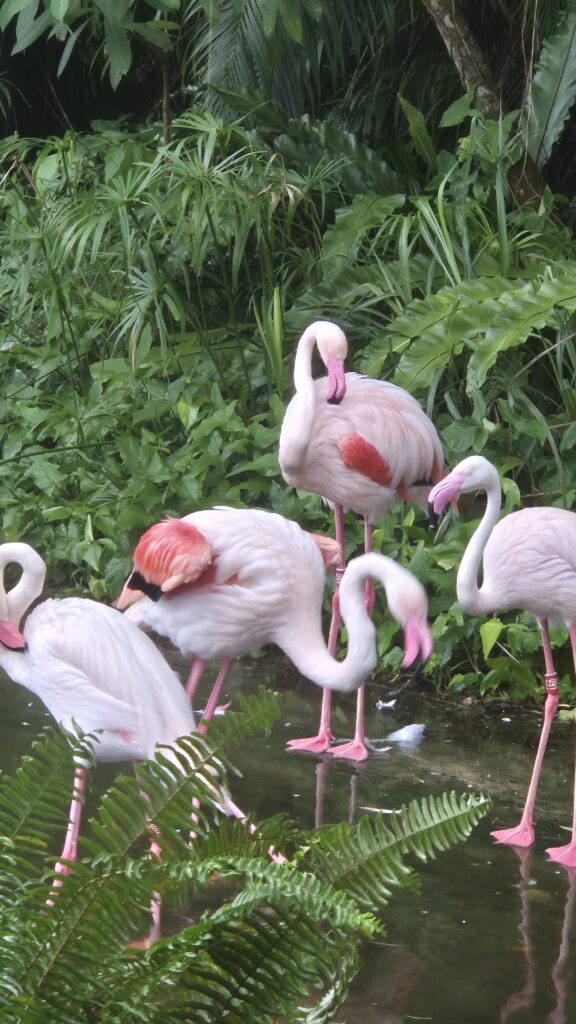
The Taipei Zoo in Muzha is one of Asia’s largest and most scenic zoological parks, nestled at the foot of lush green hills. Founded in 1914, it’s a favorite for families and nature lovers alike.
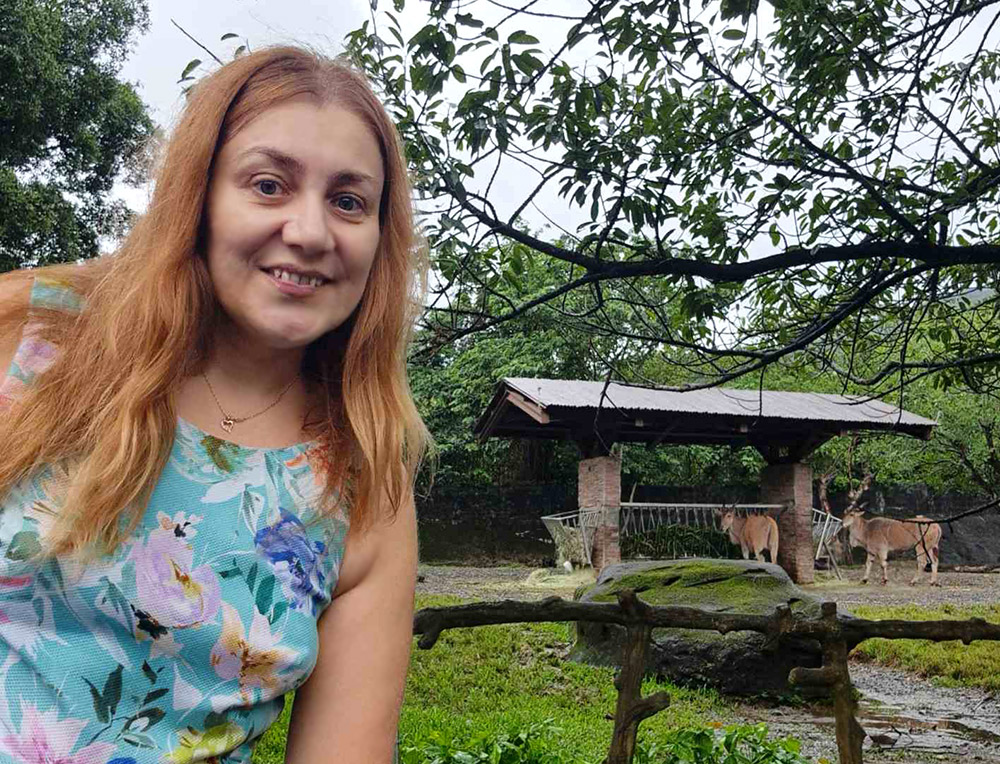
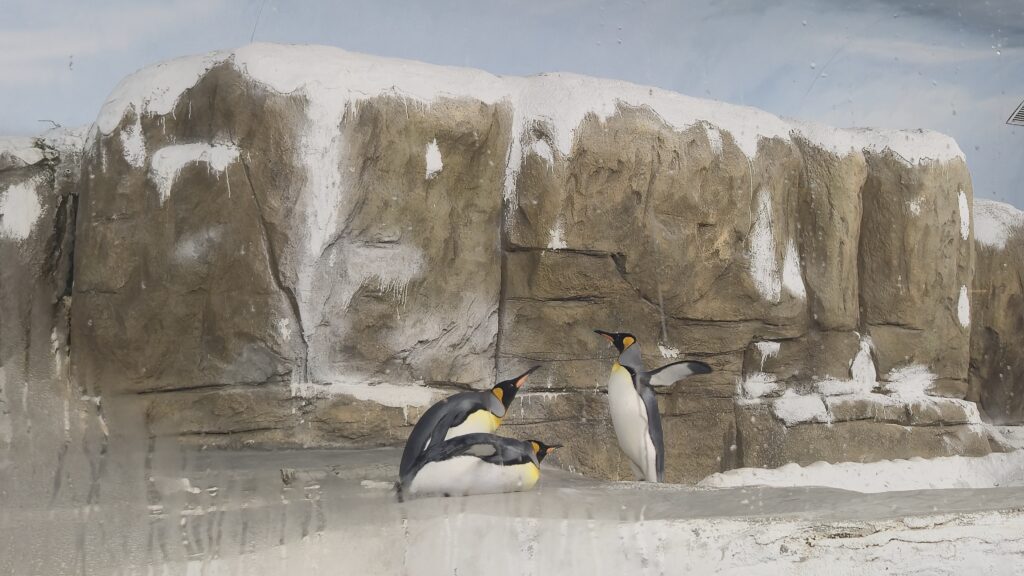
The zoo is famous for its Giant Panda House, home to pandas gifted from China, as well as a Koala House, African Animal Area, and Asian Tropical Rainforest Zone. Visitors can enjoy wide, leafy walkways, educational exhibits, and shady spots perfect for a break on warm days.
At the upper end of the zoo, you’ll find the Maokong Gondola, a cable car offering spectacular views of the mountains and city — ideal to combine both attractions in one day.
Tip: Arrive early to avoid crowds, and bring water – the zoo is large and best explored slowly.

🏮 Longshan Temple (龍山寺)
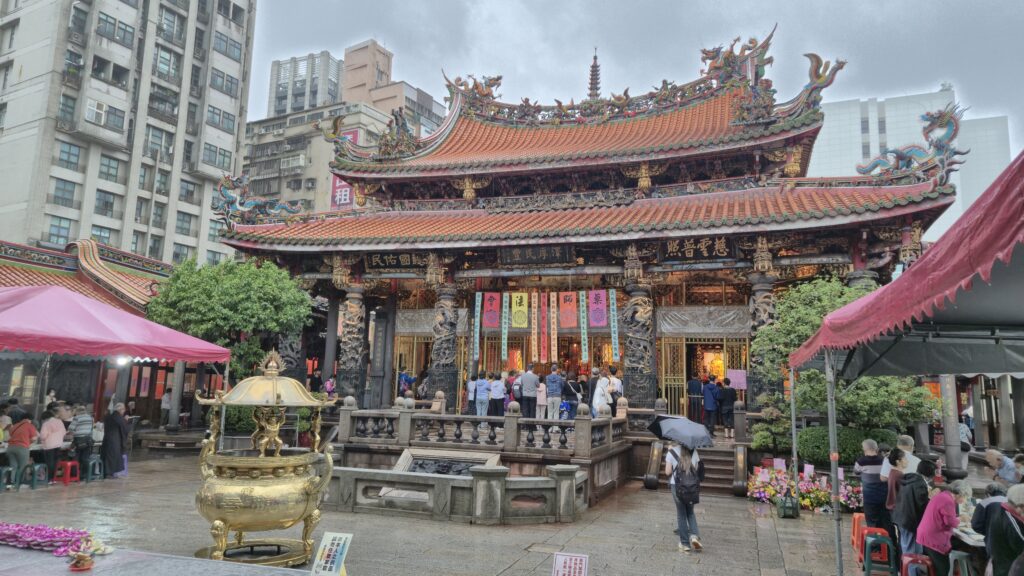
Located in the heart of Wanhua District, Longshan Temple is one of Taipei’s most spiritually vibrant places. Founded in 1738 by settlers from Fujian, it honors Guanyin, the Buddhist Goddess of Mercy, while also incorporating Taoist and folk deities – a true reflection of Taiwan’s religious harmony.
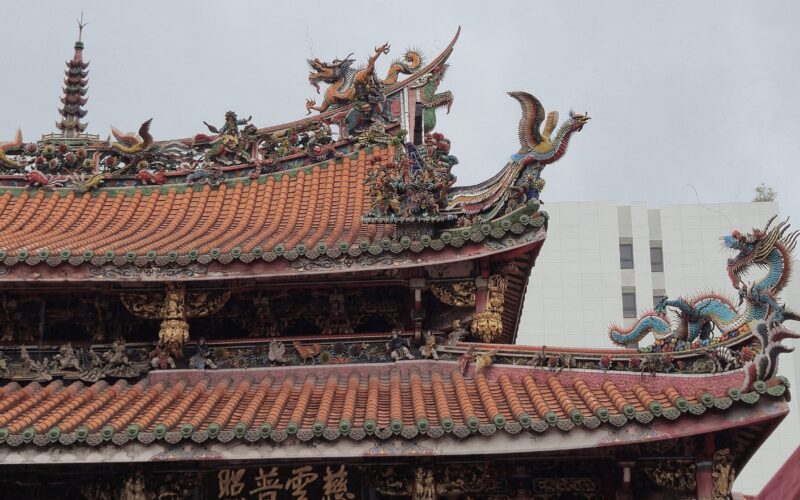
The temple’s ornate roofs, dragon carvings, and flowing incense make it a sensory experience. You’ll often find locals praying, chanting, or offering flowers and fruit.
Visiting during the evening, when lanterns glow softly against the dark wood and incense curls through the air, is particularly atmospheric.
Tip: Be respectful – dress modestly and move quietly through the temple. Photography is allowed, but avoid interrupting prayers.
🌈 Rainbow Bridge
The Rainbow Bridge connects Songshan and Neihu districts and is one of Taipei’s most photogenic pedestrian bridges. Its elegant red arch reflects beautifully in the Keelung River, especially at night when LED lights bathe it in changing colors.
It’s a favorite spot for cyclists, couples, and photographers. The surrounding riverside park has wide paths perfect for evening walks and jogging, with views of Taipei 101 in the distance.
You can also explore nearby Raohe Street Night Market for classic Taiwanese street food after sunset — just a short walk away.
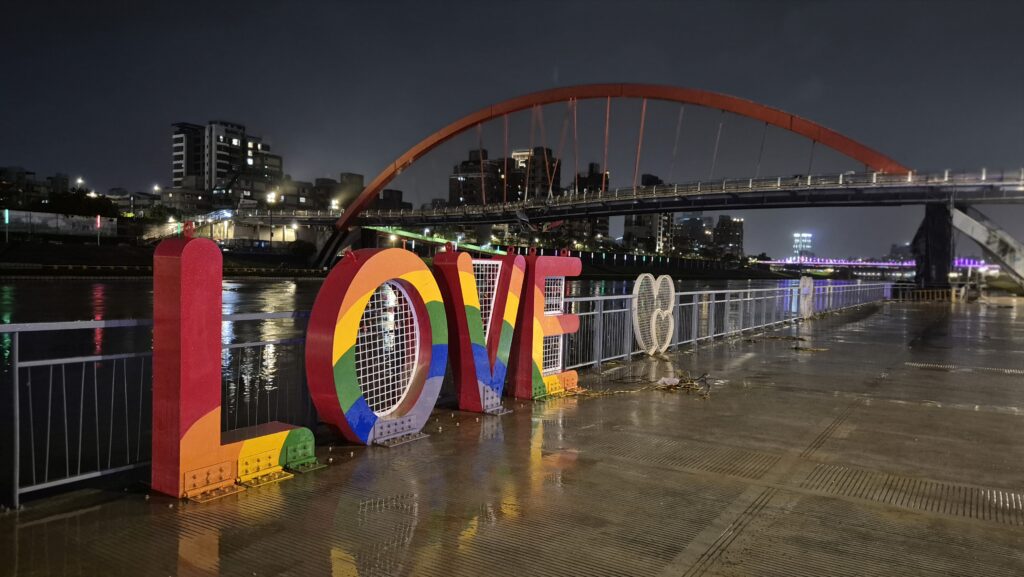
Tip: Visit at twilight for magical reflections and fewer crowds. Bring a tripod if you plan to shoot night photos.
🌳 Sun Yat-sen Memorial Hall & Park
Dedicated to Dr. Sun Yat-sen, the founder of the Republic of China, this memorial hall combines grandeur and serenity. The hall’s bold yellow roof and traditional Chinese architecture are surrounded by a peaceful park with ponds, manicured gardens, and Taipei 101 in the backdrop — a stunning contrast of old and new.
Inside, you’ll find exhibitions about Dr. Sun’s life and Taiwan’s modern history. Every hour, visitors can witness the Changing of the Guard Ceremony, a precise and dignified performance.
Locals come here to stroll, practice tai chi, or relax by the pond watching koi fish and lotus flowers.
Tip: The park is especially lovely during sunset when Taipei 101 glows behind the memorial hall — a perfect photo composition.
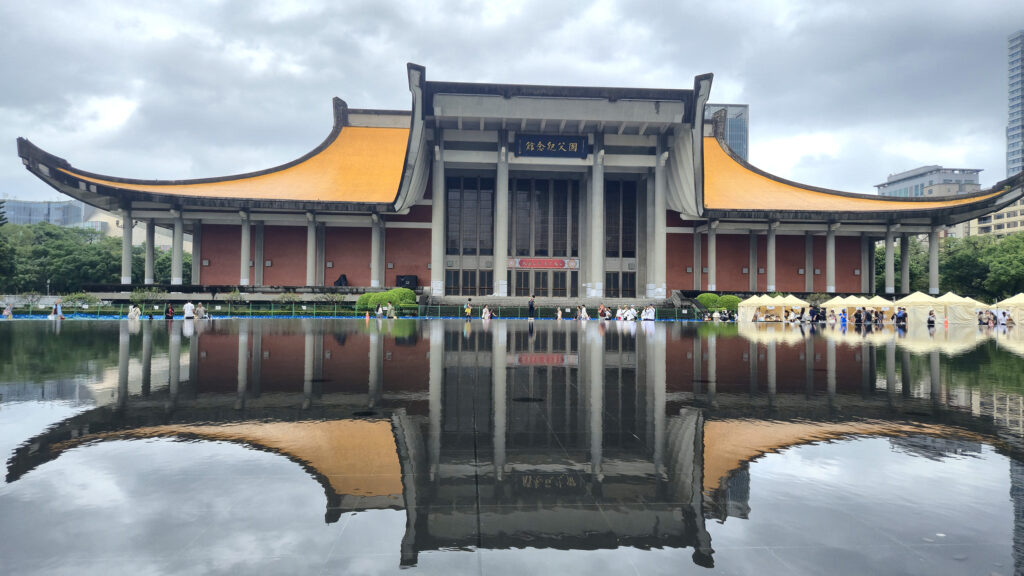
🏛️ Chiang Kai-shek Memorial Hall (中正紀念堂)
A monumental tribute to Taiwan’s former leader, Chiang Kai-shek Memorial Hall is one of Taipei’s most iconic and historically significant sites. The vast white structure with its blue octagonal roof sits within Liberty Square, flanked by the National Concert Hall and National Theater.
Climb the grand 89 steps to reach the main hall, where a bronze statue of Chiang Kai-shek is guarded by soldiers — the Changing of the Guard Ceremony takes place every hour and is a highlight for visitors.
The surrounding grounds are beautifully landscaped, with lotus ponds, arched gateways, and open plazas often used for cultural events or peaceful afternoon walks.
Tip: Visit in the morning for fewer people and softer light. At night, the illuminated gates and reflections in the ponds make for gorgeous photos.
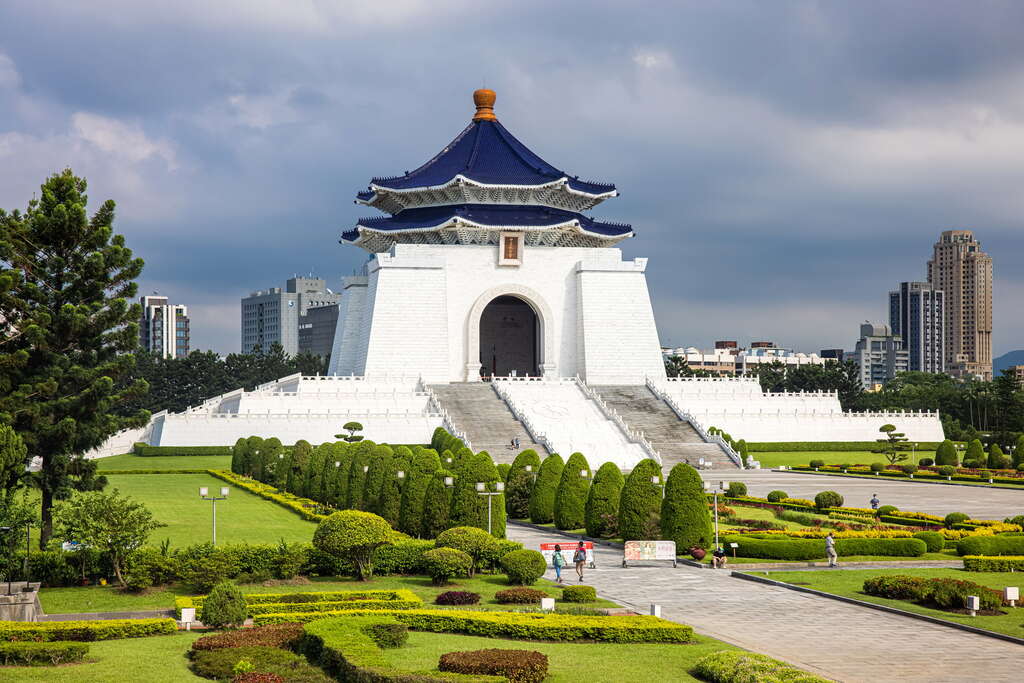
🌙 Taipei night markets
Taipei night markets are a lively showcase of the city’s culture, flavors, and everyday life, coming alive after sunset with bright lights and buzzing energy. From crispy fried chicken and xiaolongbao to bubble tea and local desserts, they offer an unforgettable street food experience. Popular markets like Shilin and Raohe Street are must-visits for anyone wanting to taste authentic Taipei.
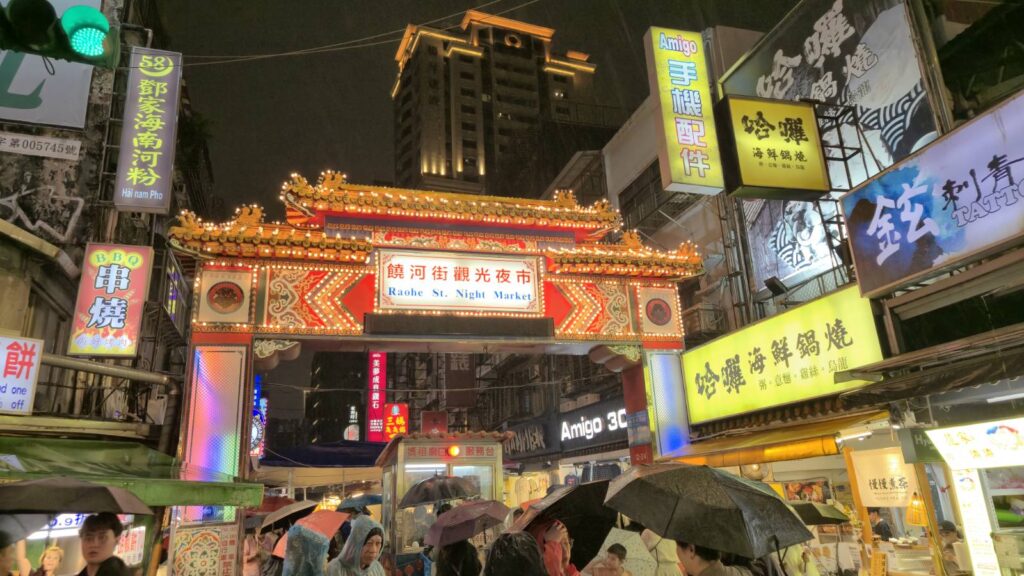
🍜 Food
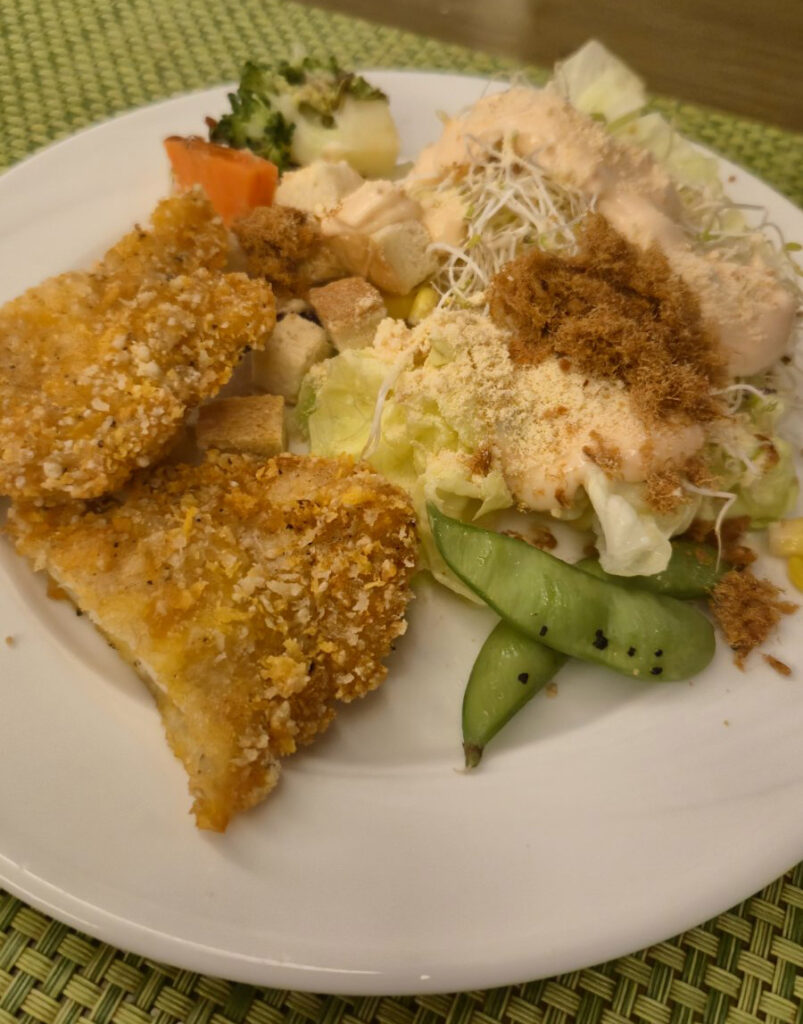
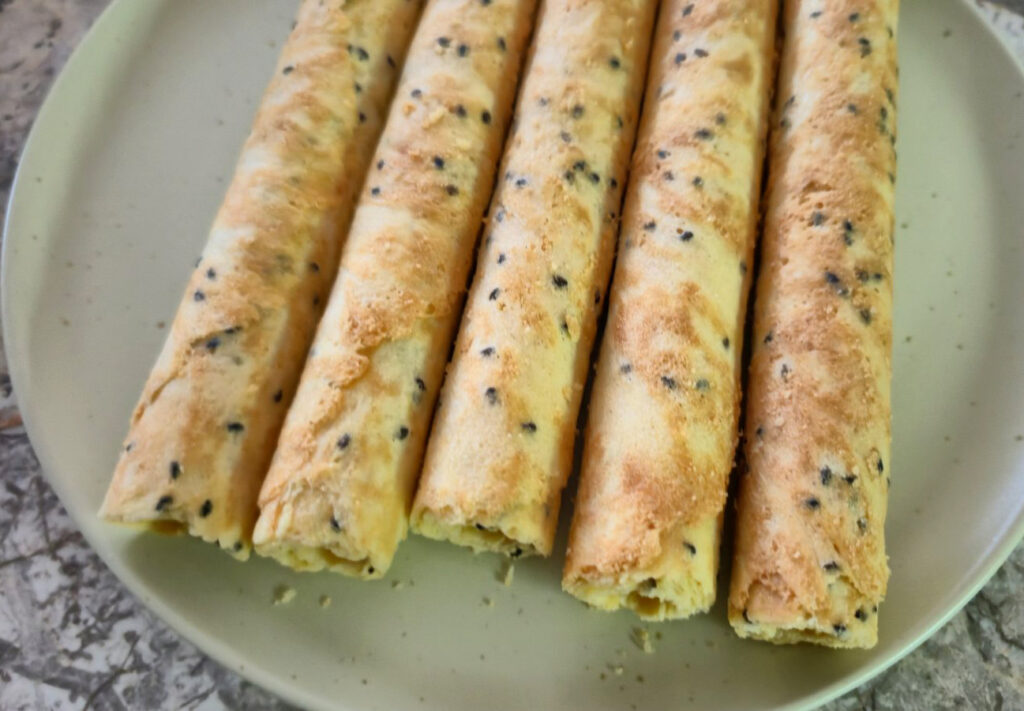
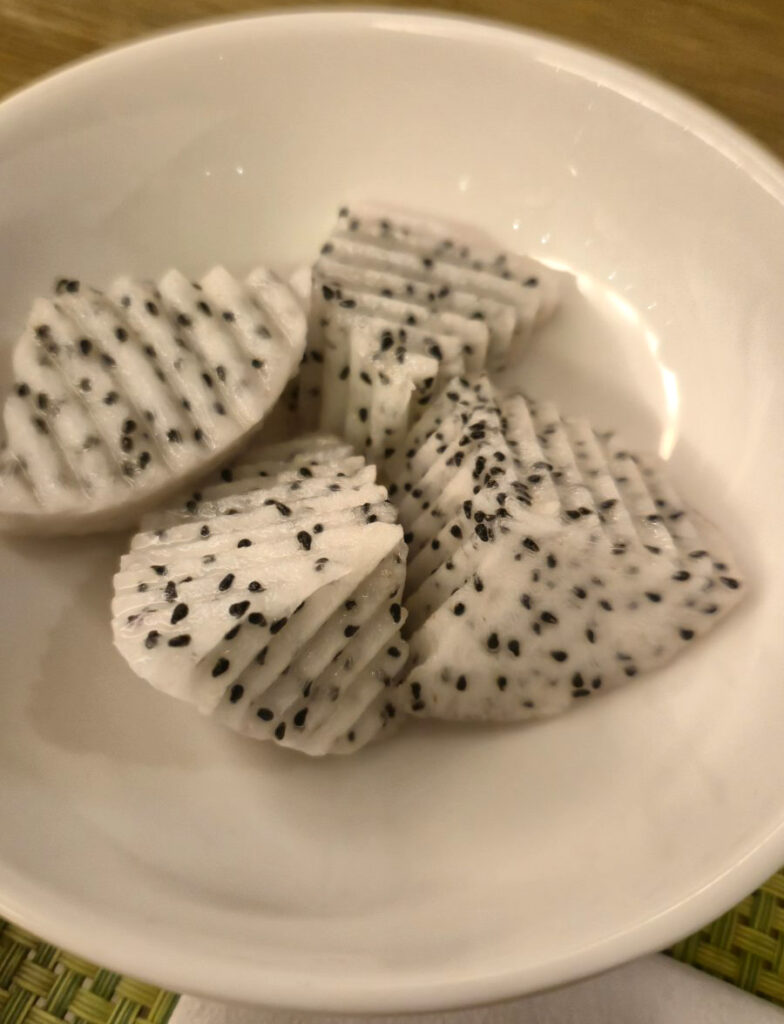
Taipei is a paradise for food lovers, offering iconic dishes such as beef noodle soup, xiaolongbao (soup dumplings), oyster omelets, stinky tofu, and freshly made scallion pancakes. While exploring the city, I personally tasted the famous tea eggs, scallion pancakes, sweet and refreshing dragon fruit, and placed meat floss on my salads, all of which added to the authentic local food experience.